

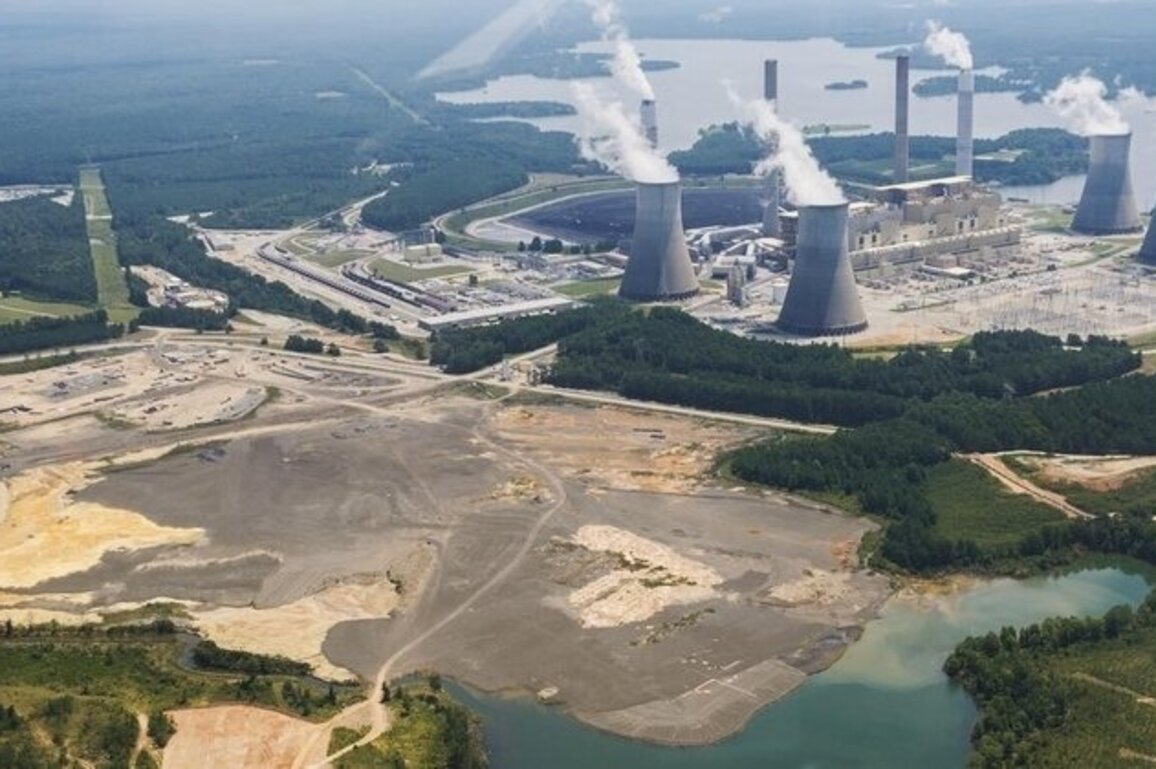
The U.S. Environmental Protection Agency will soon release proposed changes to regulations surrounding coal ash, a toxic byproduct of coal-fired power plants. The rollback could significantly affect facilities in Ohio and other states.
After coal is burned, about 15% to 20% remains as coal ash that can pollute groundwater. Experts say it contains heavy metals including arsenic, lead, mercury and radium – toxins that are known to be harmful.
Gavin Kearney, deputy managing attorney of Earthjustice’s Clean Energy Program, said the Buckeye State may have the most to lose.
"Ohio has the most coal ash of any state in the country," he said. "What we've documented so far is 172 million cubic yards of coal ash in dumps around the state. But we know that there's even more coal ash at the older dumps that haven't been regulated until very recently.
The move is part of a coal industry push to have the Trump administration scale back regulations on carbon-based fuels. Kearney said his group expects the EPA to take a hands-off approach, leaving compliance largely up to the discretion of individual companies.
Coal ash can be stored in wet or dry areas, but Kearney said many wet dumpsites lack liners. Wet surface impoundments, or ponds, are at heightened leakage risk compared with dry landfills. He said effective protection requires fully contained disposal sites that prevent water from getting in or out.
"We have several examples of really stark, catastrophic failures of coal ash impoundments," he said, "but we also have rampant groundwater contamination at coal ash dump sites in Ohio and throughout the country."
Kearney said the EPA is being told to relinquish its ability to regulate coal ash, and turn its authority over to the coal industry.
"They're asking for EPA to determine that coal ash that's sitting in groundwater isn't harmful necessarily," he said, "even though there's ample evidence that it is."
Source: Public News Service