

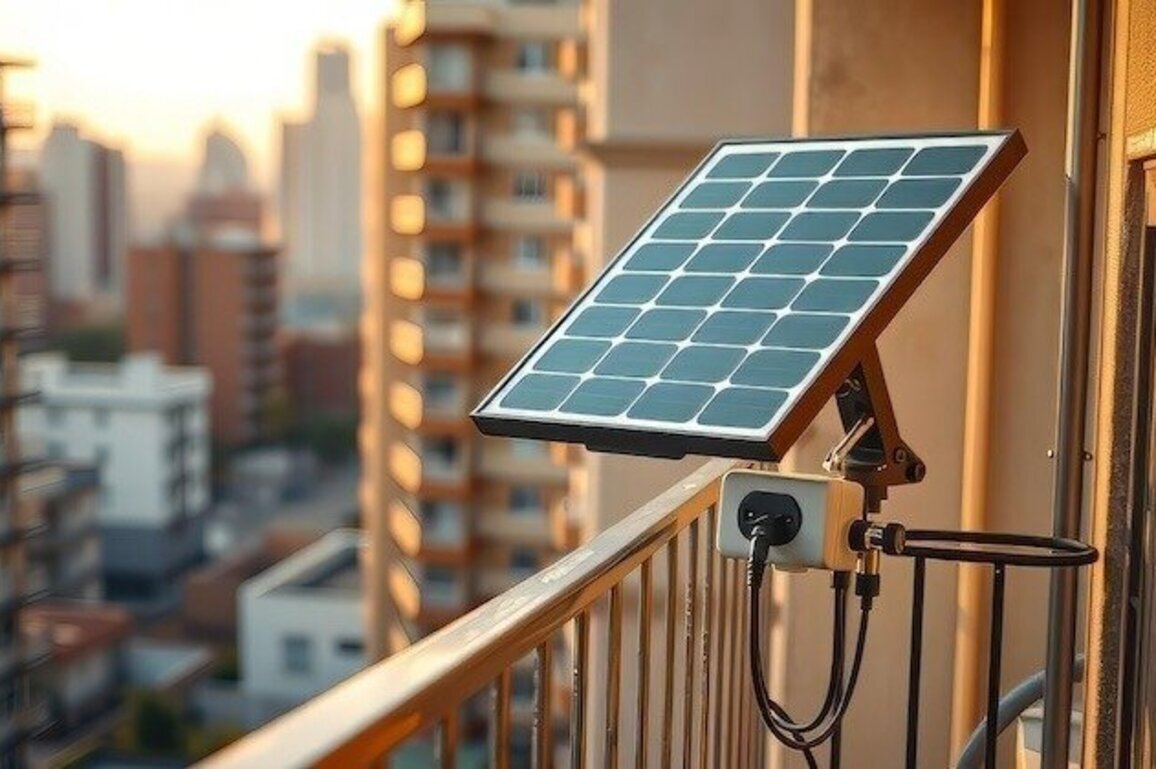
Small, portable “plug-in” solar panel systems, often placed on balconies, are already in popular Europe. In the U.S. so far, Utah, Maine and Virginia have passed legislation allowing them and Ohio appears poised to follow suit.
Two bills in the state legislature aim to define the systems and remove certain requirements typically needed for large-scale rooftop panels.
Mryia Williams, Ohio program director for the group Solar United Neighbors, said no professional installation is needed and they can be placed anywhere in close proximity to an electrical outlet.
"People would want to be able to have access because maybe they don't own their own roof," Williams explained. "They're a renter, or maybe they don't have the amount of money that they would need or the credit available to be able to purchase one of those larger rooftop arrays."
The legislation would allow for use of balcony solar without an interconnection permit from a utility company, greatly expanding at-home availability.
Rooftop solar systems installed on larger homes may generate between 3,600 watts and 10,000 watts — enough to power lights and appliances. Plug-in systems feed back a much smaller amount of energy into the grid, which Williams noted the proposed legislation accounts for.
"These are much smaller," Williams underscored. "These come in at 1,200 watts or less, and then it sets up the safety standards that are appropriate for these smaller systems."
Opponents of balcony solar, including utility companies and some electrical worker unions, said balcony systems could pose safety hazards and decrease revenue.
Source: Public News Service